Paulig Group
The House of Flavour – A Prompted History
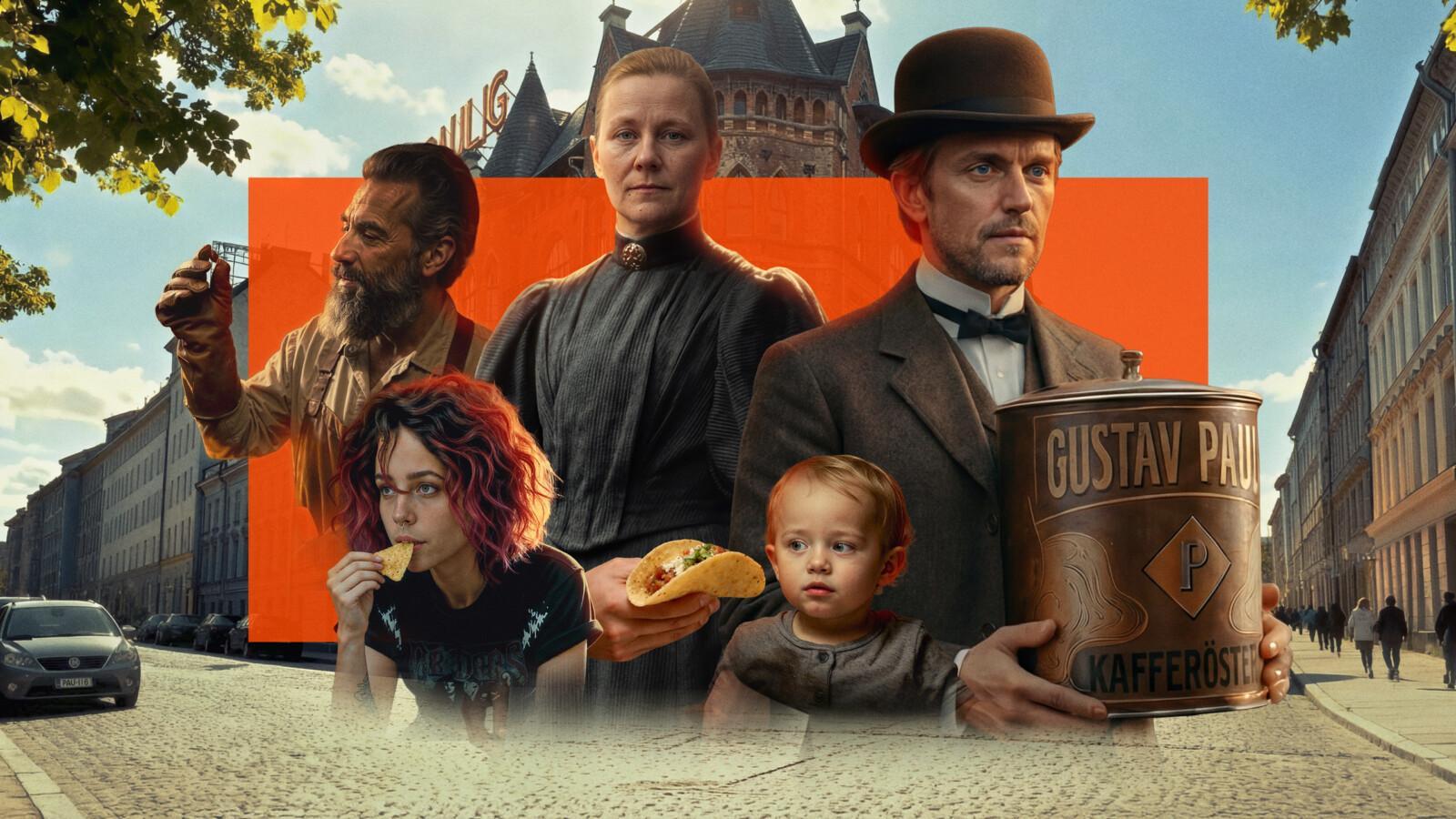
The House of Flavour tells Paulig’s growth story, from a coffee roastery to an international flavour house. 150 years of history were brought to life through technologies that evolve by the hour, resulting in a historical film that solves the challenges of future filmmaking.
Starting Point
“Paulig is more than coffee”
The task was to tell the 150-year story of Paulig in a single celebratory film — the journey of a small roastery growing into an international, multi-brand company with a mission to bring flavour into people’s lives. The film needed to work across multiple audiences and channels, from internal celebrations to external brand storytelling.
Insight
Trailblazing since 1876
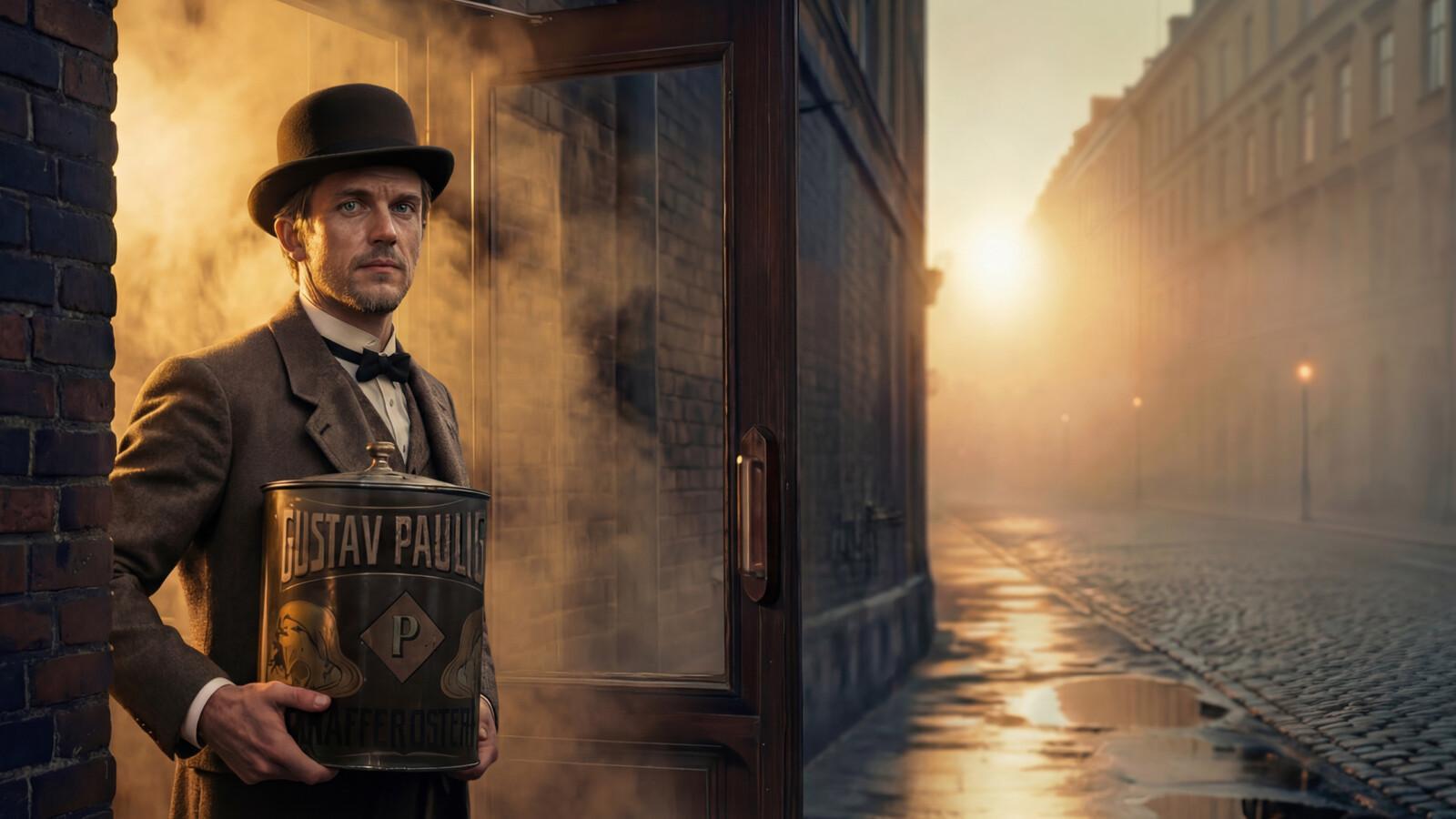
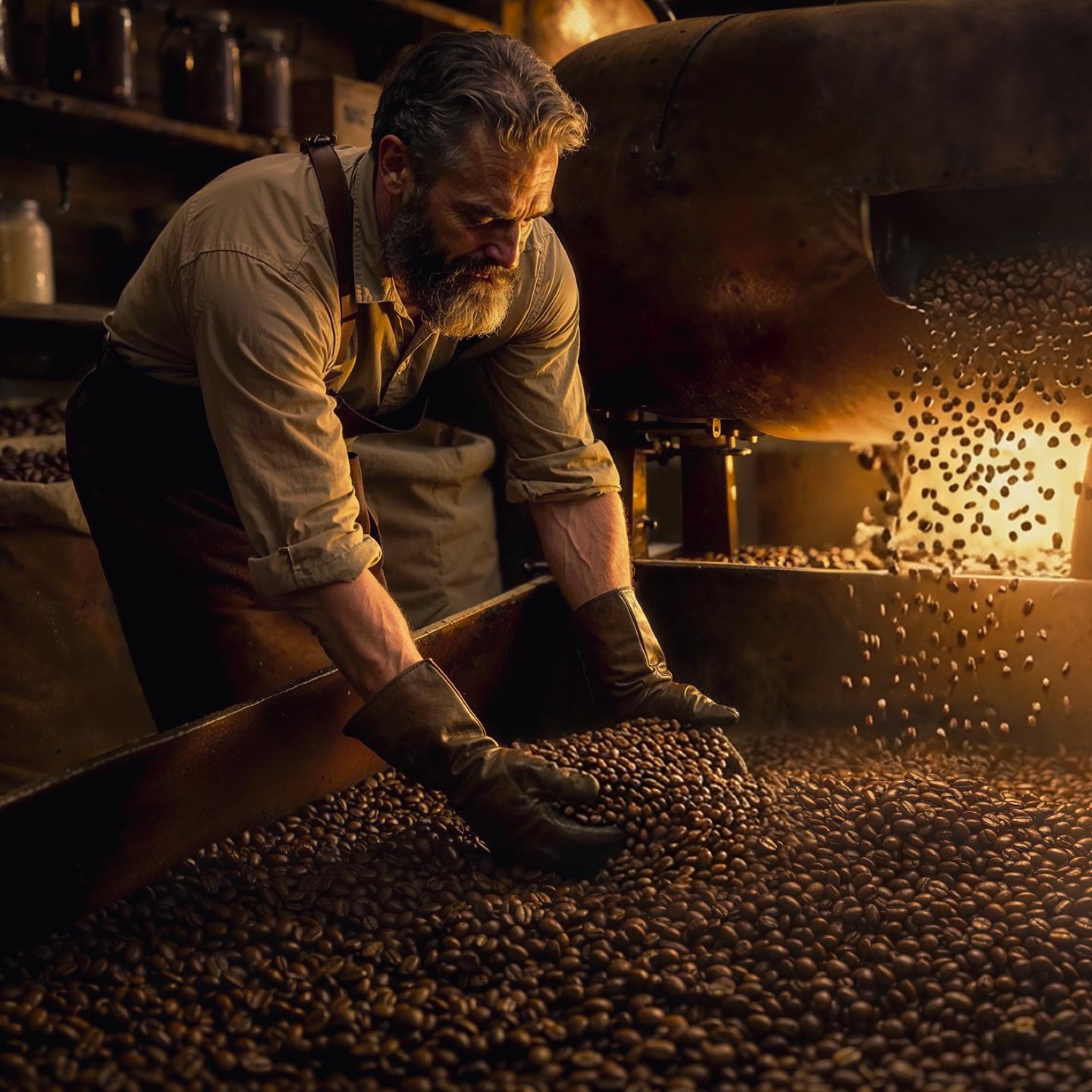
From the very beginning, Paulig’s success has been sparked by doing things before established ways of working existed. Progress has been driven by experimenting, adjusting, and refining in motion. When Gustav Paulig began roasting coffee, he sought out the best methods himself. Why wait for the tools or the audience to be 100% ready when one can set the course of history?
Strategy
Everything no one expected
Instead of settling for a conventional history film, the story was transformed into an entertaining, imaginative, and unexpected rollercoaster that still has its roots in real history. To do it justice, new tools had to be adopted so the result could truly dare to astonish and set the bar unmistakably high for future filmmaking.
Creative Idea
All of Paulig. One House of Flavours.
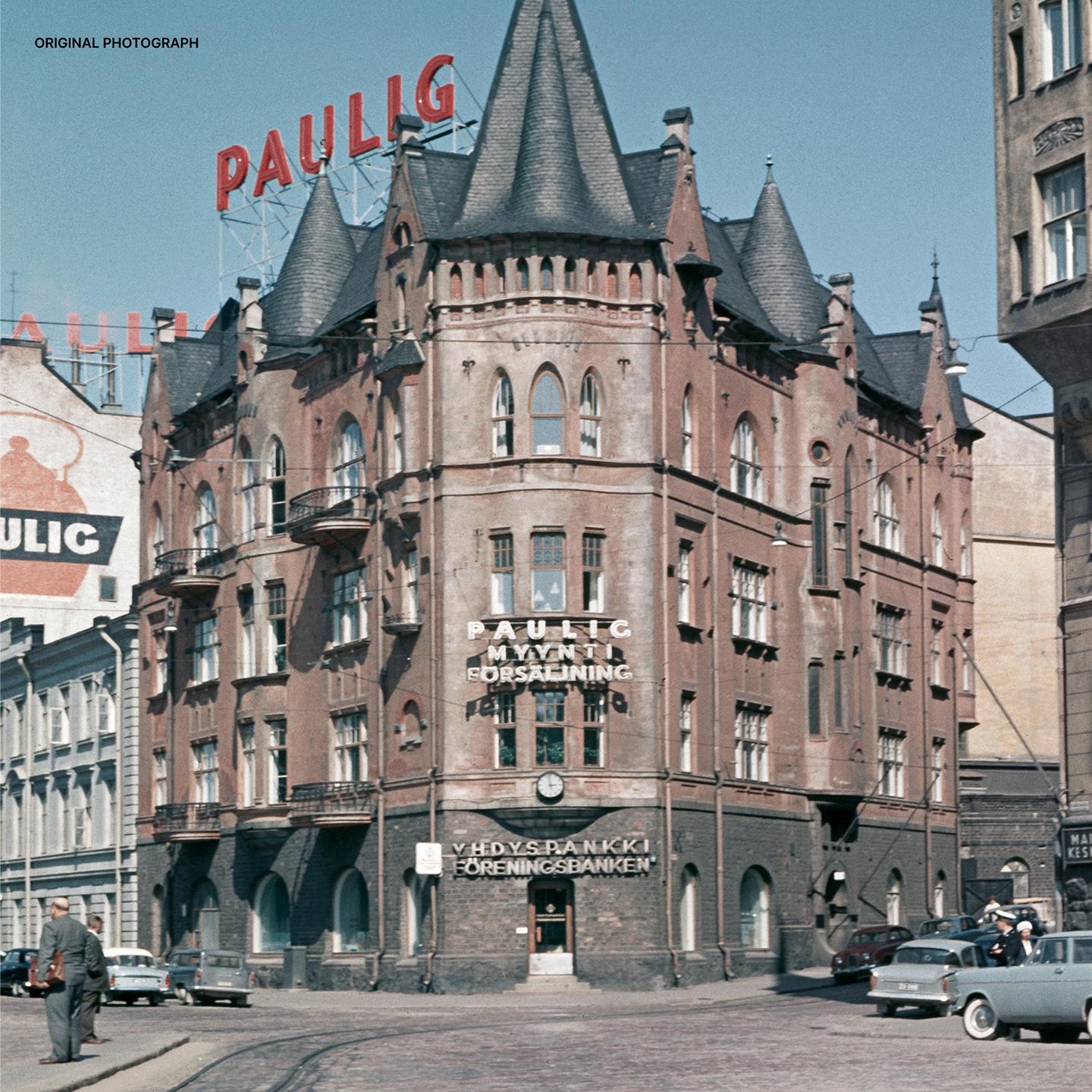
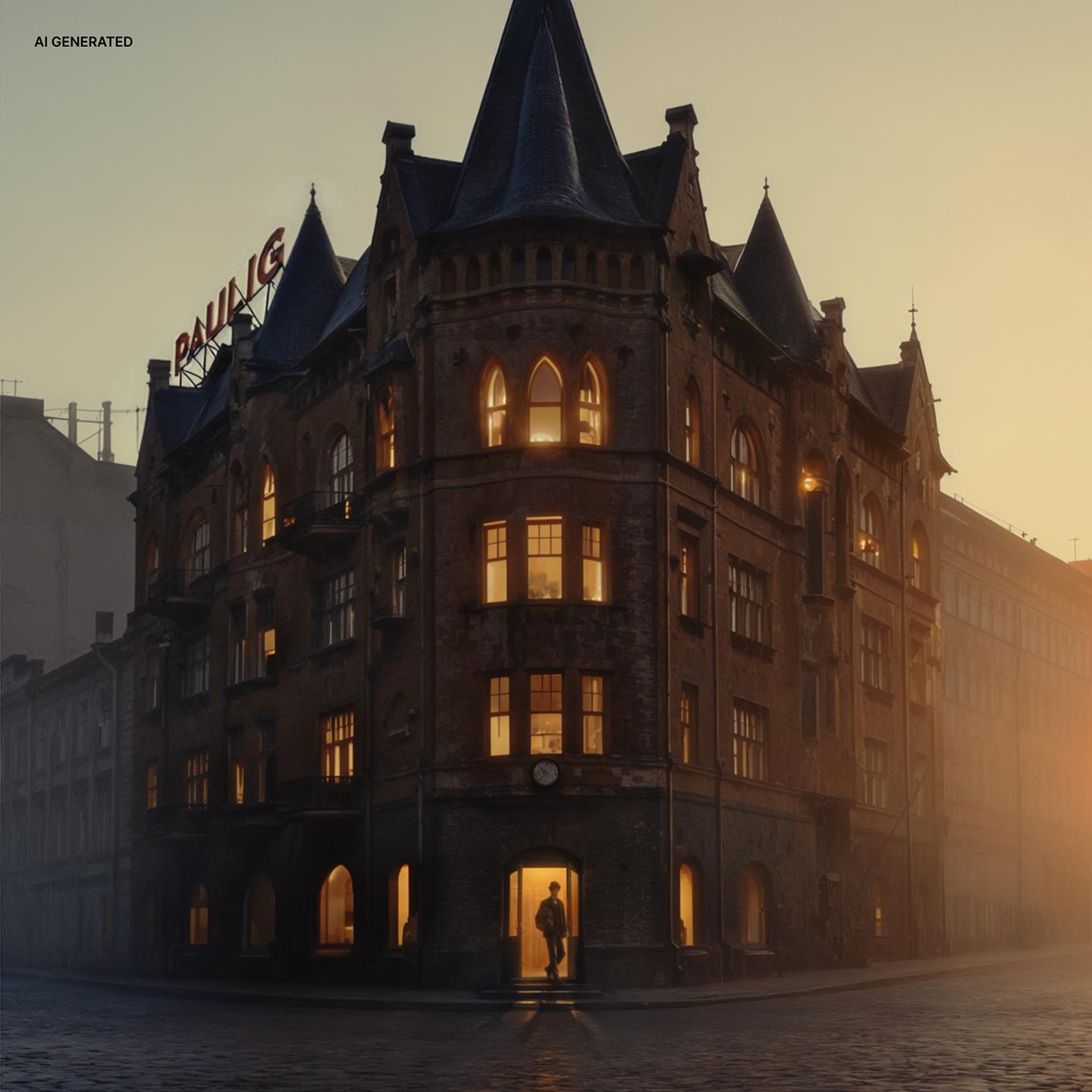
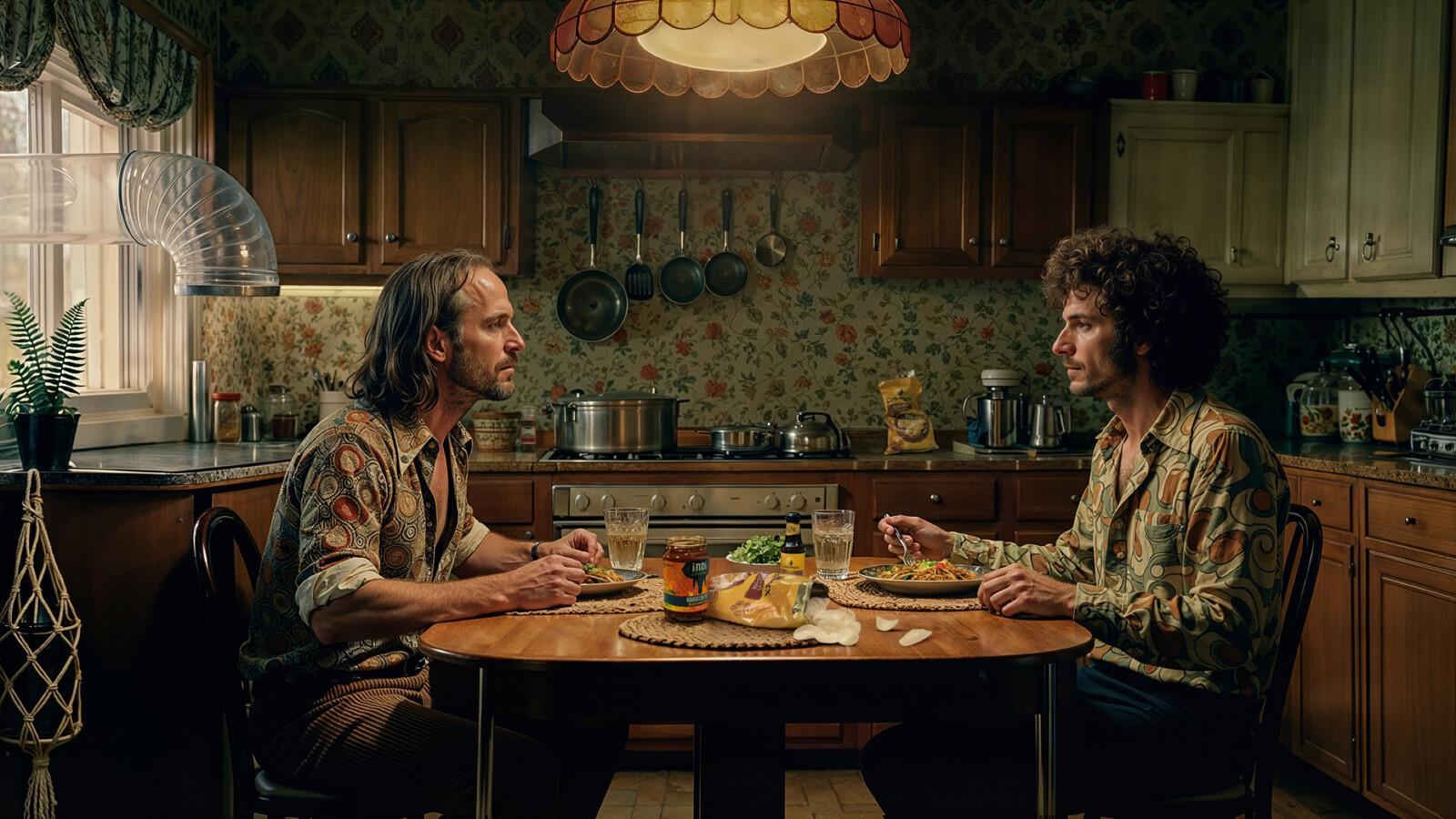
At Luotsikatu 1 in Katajanokka, Helsinki, stands the Tallberg House, also known as Paulig’s former coffee roastery. Within its walls, 150 years of history were brought back to life – young entrepreneurship, journeys across the world’s seas, and everyday life shaped by Paulig’s foods – defying the limits of time and space. The doors were opened to the public into a magical House of Flavour.
Excecution
A tool that unlocks potential
The execution took the form of a long-form commercial film in which a real-world location, historical figures, real brands, and products are brought together with a magical portrayal of a life full of flavour. To achieve this fluid result, a carefully selected set of AI tools was used with strict control. This meant that AI was not allowed to sprawl, hallucinate, make autonomous decisions, or limit creative freedom. From the very beginning, cinematic decisions such as art direction, lighting, and lens choices were established.
On the other hand, AI efficiently unlocked the potential of an imaginative script, and its boundless possibilities were fully utilised. AI, for example, allowed free movement across time and space and made it possible to make a historic landmark building explode with flavour!
No Shortcuts
AI films already display conventions that reveal the limitations of the tools. They are often edited at a fast pace, as glitches become visible in longer takes and the same location is difficult to render identically from different angles. These conventions were deliberately challenged. A real location was recreated, revisited from multiple angles, and explored at length within single rooms, relying on traditional cinematic language rather than concealing imperfections through speed.
Turning Humans into AI Characters, and AI Characters into Humans
Another common practice in AI films is the avoidance of real people. Characters are often animals or imaginary creatures, as human figures expose the use of AI and are difficult to keep consistent across scenes. This shortcut was rejected. Both historical and AI-generated human characters were boldly created rather than waiting for the tools to be 100% ready.
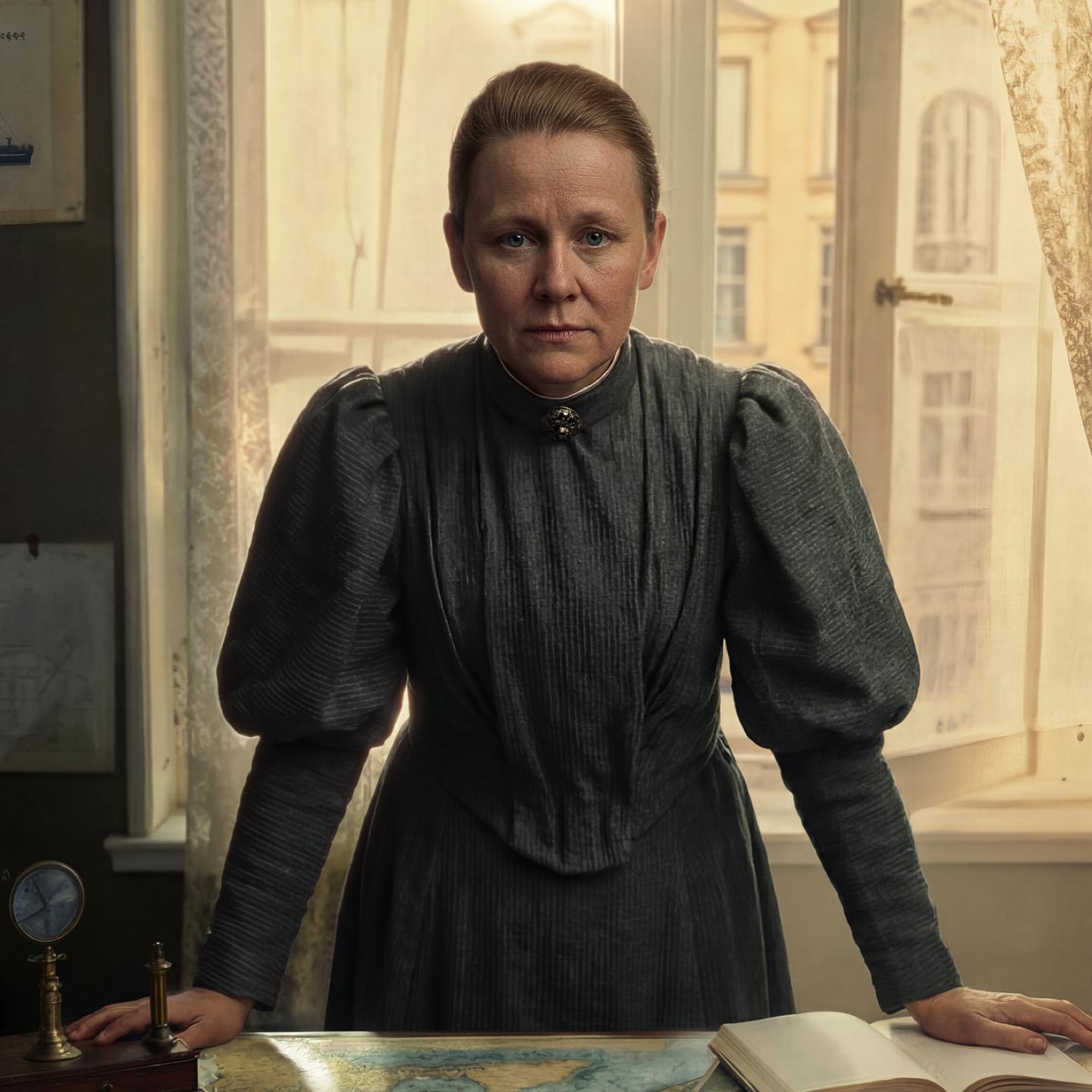
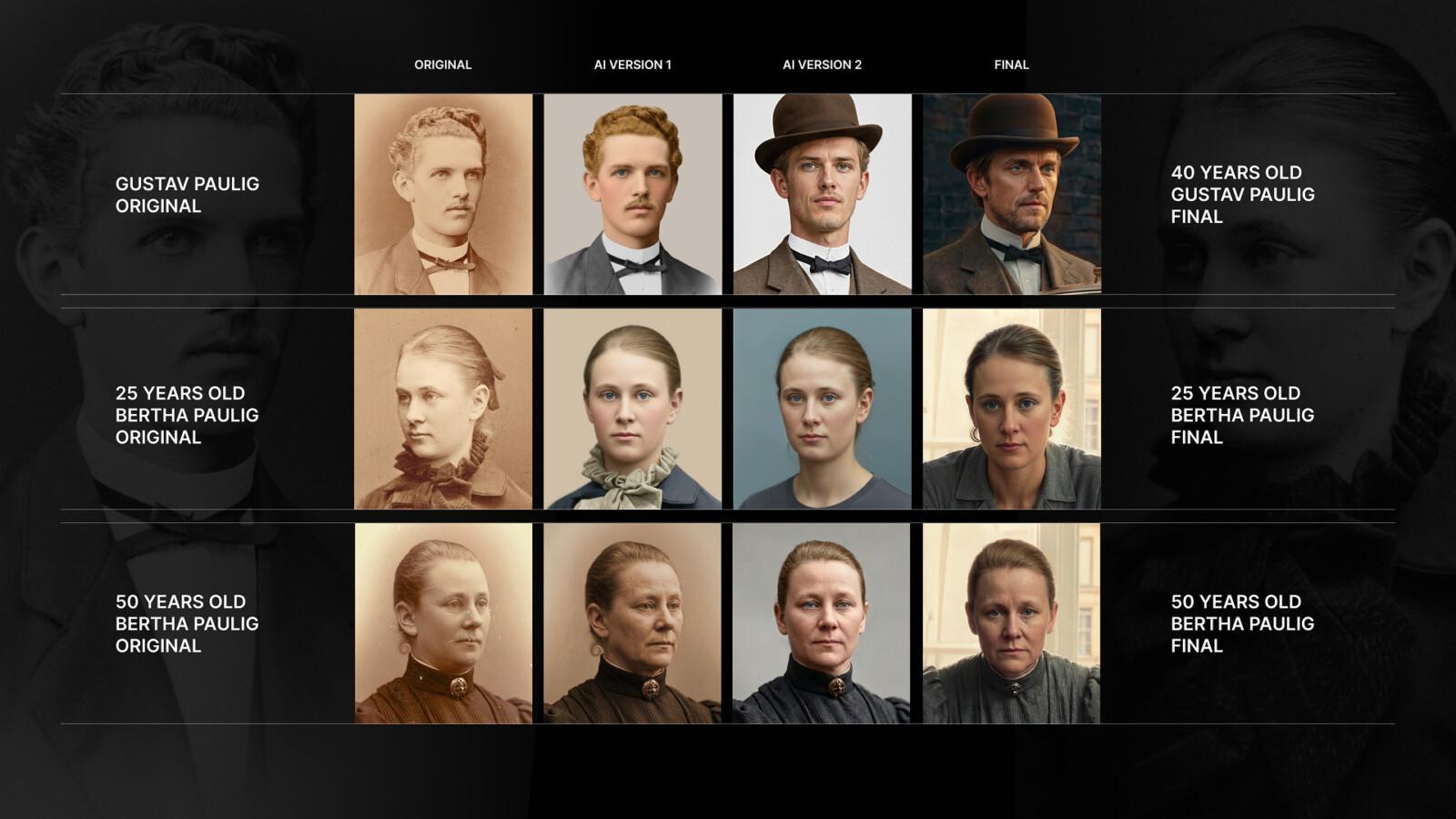
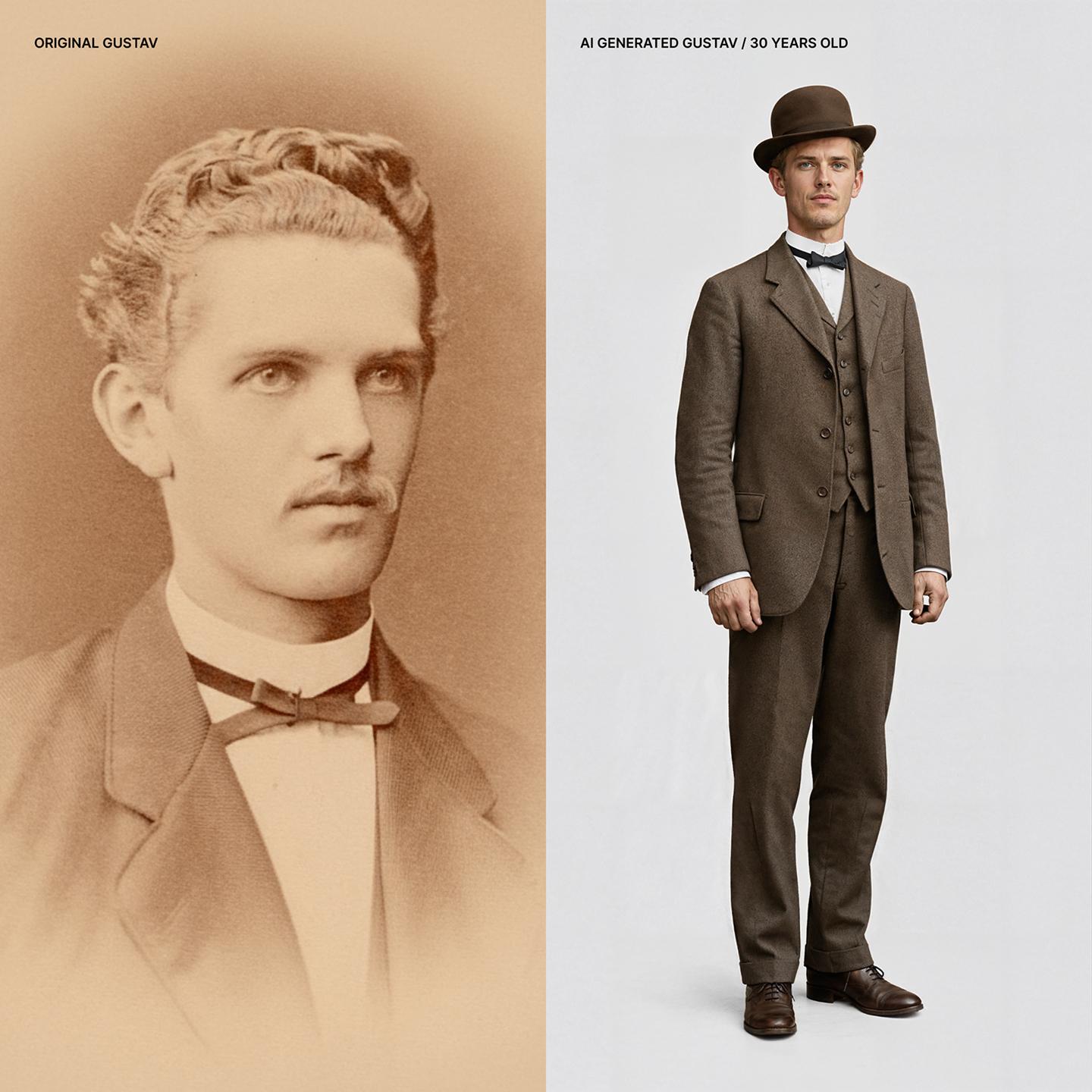
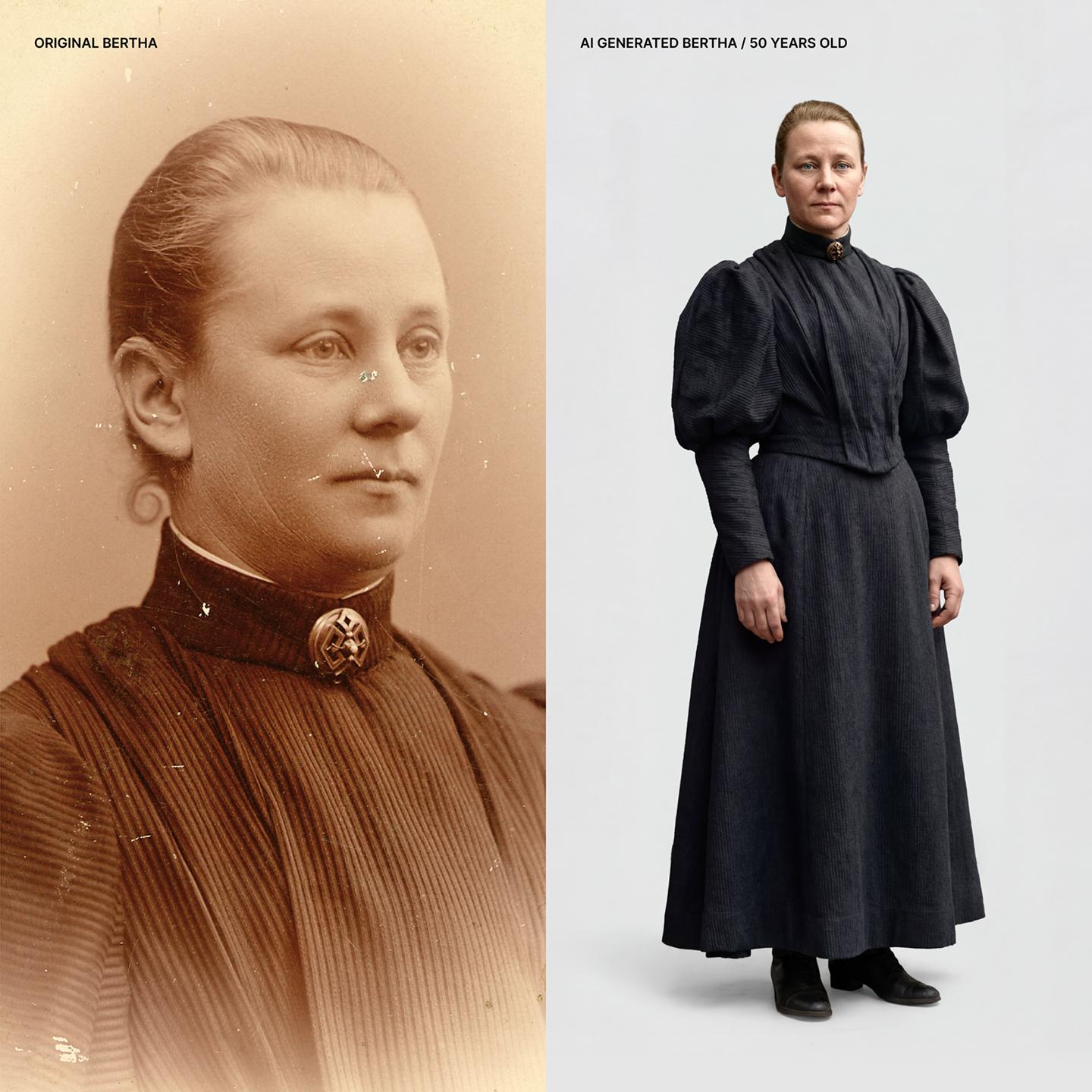
The main characters of the film are the historical figures Gustav and Bertha, of whom only small, old black-and-white portraits exist. Based on this source material, they were thoughtfully reimagined as performers able to convey emotion within an AI-generated setting.
Pure AI characters often default to pure beauty, which meant character creation had to be carefully controlled during casting. To create compelling characters, visible imperfections had to be introduced. Imperfection was treated as an asset rather than a flaw.
From Product Placement to Performance
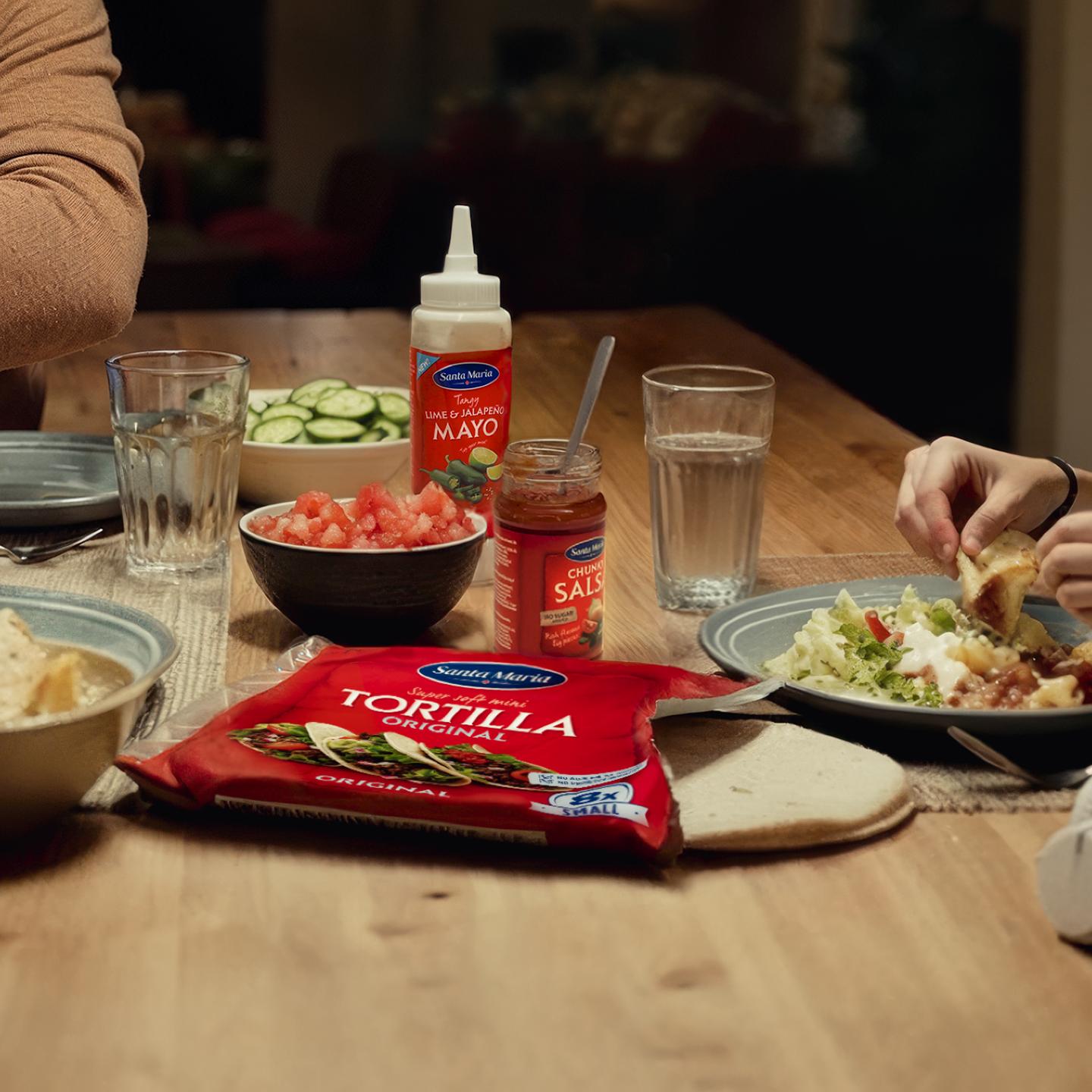
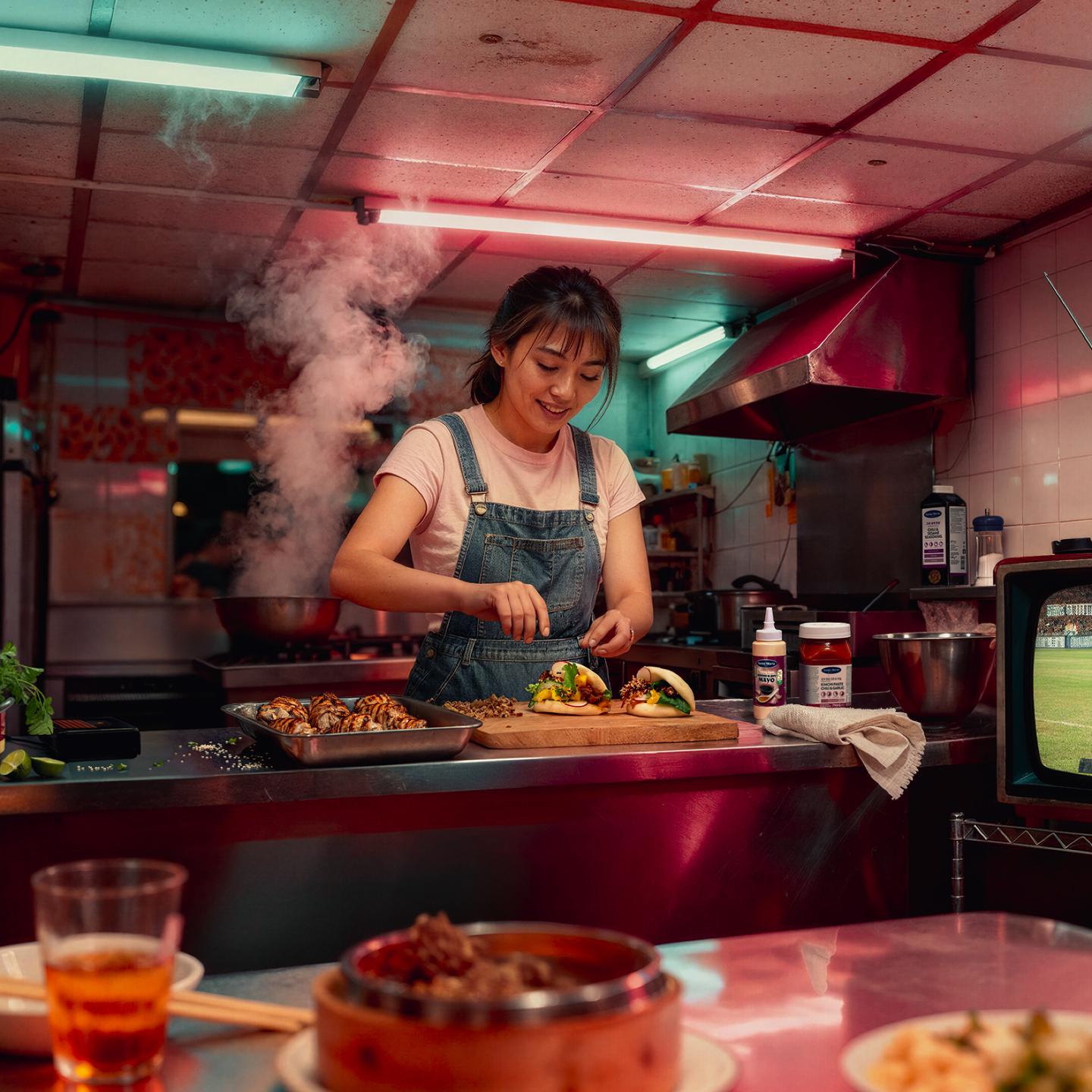
Real brands and products were not simply inserted into the story; the AI characters actively interacted with them. Solutions were developed, for example, to depict the use of a product more than a hundred years old, to prepare a recipe in a way that remained true to the brand, and to present all of this convincingly within an AI-generated kitchen.
Meeting Cinematic Standards
A key insight was the identification of where AI should not be used. Post-production was consciously kept human, such as in editing and colour grading. The music was composed and recorded specifically for the film, and the voice-over is performed by an actor. In total, 29 industry professionals contributed to the production. In this way, raw digital imagery was shaped through controlled AI use and traditional film craft into a complete and credible cinematic work of art.
Historical Figures
Historical figures, of whom only black-and-white photographs exist, were costumed and brought into the film in their true likeness.
AI Tools & Models Used
Image Generation
Seedream 4.0
Nano Banana (Gemini 2.5 Flash Image)
Midjourney V7
Magnific Upscaler
Adobe Firefly Image 3
Video Generation
Kling 2.5
LTX
Topaz Video
Demo Voiceover
ElevenLabs
Prompts & Analyses
ChatGPT
Creators
Client
Paulig Group
Creative Agency
NoA | Bob the Robot
Production Agency
Pictures Helsinki & NoA | Bob the Robot
Credits
Creative Agency
NoA | Bob the RobotCopywriter
Riikka Rechardt
Paul Earl
Art Director
Jon Gustavson
Mikko Kalso
Creative Director
Anu Igoni
Senior Client Lead
Sebastian Örn
Project Director
Jenny Lundqvist
Graphic Designer
Iiris Kukkonen
Iia Meriläinen
Tomi Salo
Graphic Designer Trainee
Alina Heino
Production
Pictures HelsinkiProducer
Katariina Lehtonen
Director
Pekka Hara
Editor
Julius Greis
Pekka Hara
Director of Creative Technology
Petri Santala
Head of Prompting
Mikko Kalso
AI Artist
Mikko Kalso
Petri Santala
Pekka Hara
Julius Greis
Lauri Tarkka
VFX Artist
Lauri Tarkka
Pekka Tjäder
Colorist
Henri Pulla
Storyboard Artist
Teppo Hulkkonen
Sound
Sound DesignAkseli Soini / El Camino
Sound Producer
Niko Henttunen / El Camino
Voice-over Artist
Ida May
Music
ComposerTuomo Prättälä
Music Recording & Mixing
Miikka Huttunen
Drums & Percussion
Abdissa Assefa
Saxes & Flutes
Joakim Berghäll
Trumpets
Kalevi Louhivuori
Client
Paulig GroupHead of Corporate Brand & Brand Communications
Eva Berglie
Director, Corporate Communications & Brand
Anu Rintala
Director, Creative, Planning & Digital
Antti Lauronen